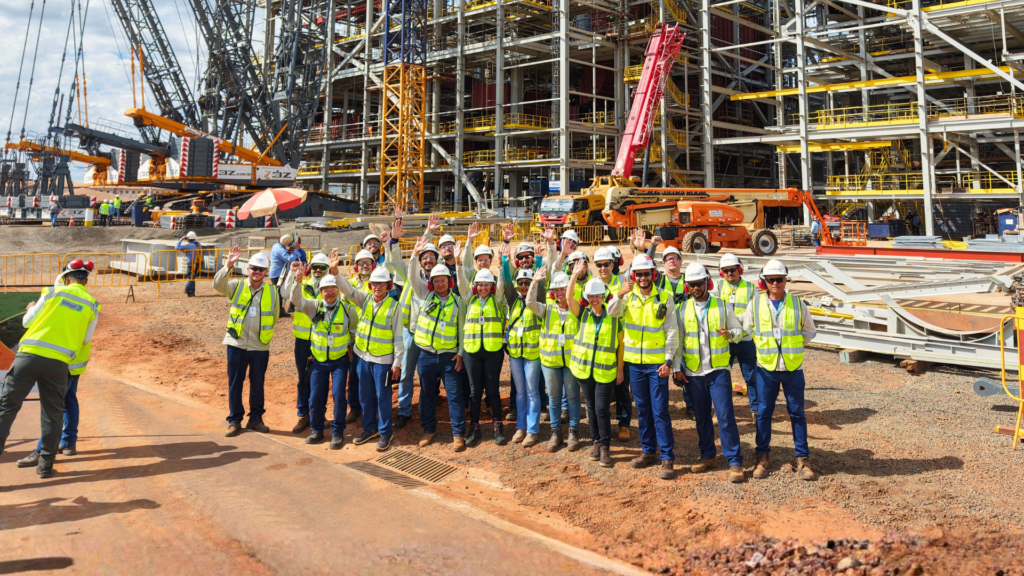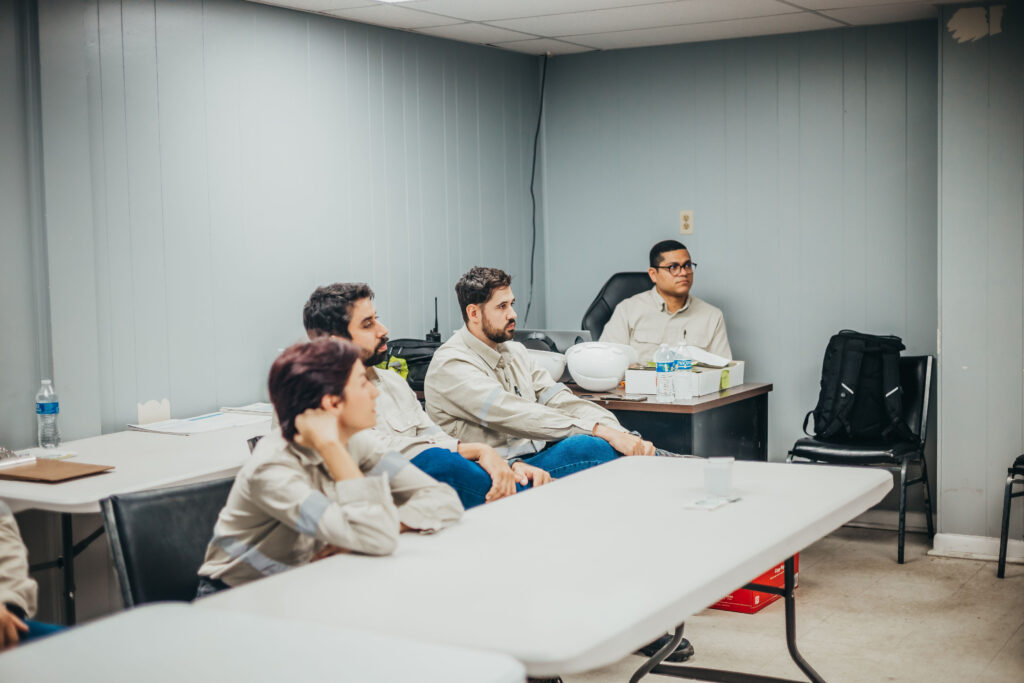
With Fabio Machado and Flavio J. Machado
At a paper and packaging facility executing a large-scale CAPEX initiative, Timenow supported the coordination of a critical maintenance shutdown alongside ongoing capital work. The team integrated a dedicated shutdown schedule into the broader project timeline, aligning activities, contractor interfaces, and shared resources.
The engagement illustrates a scheduling principle that also applies to greenfield pulp and paper projects: individual workstreams need detailed plans connected to a unified master schedule. For a new mill, that means coordinating engineering, procurement, construction, and commissioning from the earliest planning stages.
Every new pulp and paper mill represents a significant industrial investment. A master schedule provides the framework for guiding that investment from initial planning through mechanical completion and start-up, giving project leaders visibility into dependencies, milestones, and emerging risks.
MASTER PLANNING FROM THE GROUND UP
Greenfield projects span multiple years and disciplines, making a master schedule essential for aligning teams, sequencing activities, and managing risks. Planning begins before detailed engineering, with the schedule progressively refined as scope, design, procurement commitments, and execution strategies develop.
Timenow works directly with project leadership to develop a unified master schedule that reflects the full lifecycle of a pulp and paper mill—from engineering drawings to civil works, mechanical erection, electrical and instrumentation installation, and commissioning.
Planning is executed in Primavera P6 or Microsoft Project, structured by area, discipline, and phase to provide visibility into both individual work packages and overall project milestones. Connecting these levels helps teams understand how a change in one area may affect downstream activities and completion dates.
EXPERTISE IN PULP AND PAPER PROJECTS
Pulp and paper facilities require technical understanding across interconnected process areas. Timenow brings certified schedulers with hands-on experience in:
- Wood yards and wood logistics
- Fiberline systems, including digesters, brownstock washing, oxygen delignification, and bleaching
- Chemical recovery systems, including causticizing and lime kilns
- Recovery boilers, power boilers, and evaporation systems
- Paper machines
- Utilities and balance-of-plant systems
This expertise helps ensure the schedule reflects real-world constraints, long-lead equipment requirements, and the interdependencies that define pulp and paper operations.
For example, equipment installation dates must align with engineering releases, procurement milestones, delivery windows, and construction readiness. Commissioning plans must also account for the availability of utilities and supporting systems.
COLLABORATIVE WORKSHOPS THAT DRIVE ALIGNMENT
Timenow conducts interactive planning workshops with engineering, procurement, construction, and client teams to validate:
- Activity logic and sequencing
- Durations and resource assumptions
- Equipment and material lead times
- Critical path drivers
- Interfaces between process areas and contractors
- System handover and commissioning requirements
These sessions help identify disconnects early and create shared ownership of the schedule. They also make assumptions explicit, allowing teams to challenge unrealistic dates and resolve conflicting priorities before they affect execution.
Scenario modeling and integration with Monte Carlo risk analysis can strengthen contingency planning by assessing uncertainty around key milestones. This gives project leaders a clearer basis for evaluating schedule exposure and supporting investment decisions.
ALIGNMENT, MODELING, AND CONTINUOUS TRACKING
Throughout execution, Timenow’s specialized schedulers work alongside project leadership to maintain alignment across contractors and internal teams. Progress updates are assessed against the approved baseline, helping teams identify deviations and understand their implications.
Lookahead planning translates the master schedule into near-term priorities. By reviewing upcoming engineering releases, deliveries, construction activities, and handoffs, teams can identify constraints and coordinate corrective actions before work is affected.
S-curves and milestone dashboards consolidate progress information for leadership, while detailed schedule reviews support decisions in the field. Together, these tools connect day-to-day execution with the project’s broader completion objectives.
BENEFITS OF A TIMENOW MASTER SCHEDULE
- Realistic completion forecasts grounded in process interdependencies
- Early identification of bottlenecks that could affect commissioning
- Documented schedules that support capital approval and lender review
- Baseline progress tracking with S-curves and milestone dashboards
- Resource and cost histograms for labor and equipment planning
- Coordinated contractor interfaces to reduce onsite conflicts
- Risk-informed contingencies supported by Monte Carlo analysis
- Start-up readiness planning with commissioning milestones defined early
- Traceability through documented schedule logic and assumptions
APPLYING LESSONS FROM COMPLEX CAPEX EXECUTION
In the paper mill engagement, Timenow combined schedule integration with risk tracking, coordinated handoffs, and daily progress visibility. This helped align maintenance crews, capital project teams, and external contractors around interconnected scopes.
For greenfield projects, the relevant lesson is to establish those connections early. Engineering, procurement, construction, and commissioning each require detailed planning, with dependencies managed through the master schedule. Building that structure from the outset helps teams assess changes and coordinate decisions as the project develops.
BUILD YOUR NEXT GREENFIELD PROJECT WITH CONFIDENCE
A new pulp and paper facility demands planning that connects technical requirements with execution realities. Timenow combines industry expertise, collaborative schedule development, and ongoing progress analysis to support that coordination from the ground up.
By establishing clear dependencies, validating assumptions, and maintaining visibility throughout execution, Timenow helps project leaders anticipate constraints and make informed decisions through construction and start-up.
Planning a greenfield pulp and paper project? Contact us to learn how Timenow can support your team from early planning through commissioning.